WhatsApp Us

The Unboxing Experience: Why Presentation Is Becoming Half the Gift

Somewhere in the last few years, opening a gift stopped being a two-second act and became a small performance — filmed, anticipated, and shared. The box isn’t packaging anymore. It’s the opening act.
The trend: personalized packaging now measurably drives higher social sharing, repeat purchase intent, and brand recall than identical unpersonalized packaging
What’s changed: mystery and themed boxes, sensory textures, and personalized inserts are replacing plain gift wrap
Why it matters for gifting: the unboxing moment has become part of the gift, not just a wrapper around it
Anyone who’s scrolled through gift-unboxing content on Instagram or Pinterest has seen the shift firsthand: a slow reveal, tissue paper folded just so, a handwritten tag, the anticipation before the actual gift even comes into frame. This isn’t purely aesthetic indulgence — gift industry data consistently shows personalized packaging drives more social sharing, stronger repeat purchase intent, and better brand recall than generic packaging containing the exact same item. In plain terms: how a gift is presented has become a meaningful part of what makes it feel valuable, not a footnote to the gift itself.
Why the Box Now Carries Real Emotional Weight
There’s a straightforward psychological reason presentation has taken on this much importance: unwrapping something well-presented signals anticipation before any content is revealed, and that anticipation is itself part of the emotional experience of receiving a gift. A beautifully arranged box tells the recipient, before they’ve even seen what’s inside, that real thought went into this — which is precisely why generic gift wrap increasingly feels like it’s underselling whatever’s underneath it, regardless of how nice the actual gift is.
From Mystery Boxes to Personalized Inserts: What’s Actually Trending
Current gift-box trends point in a few consistent directions: themed boxes built around a specific interest rather than a random assortment, a rise in “mystery” or surprise-reveal formats that make the unboxing itself the exciting part, and personalization pushed down to the smallest details — a name printed on tissue paper, a custom message on a ribbon tag, a card that feels handwritten rather than templated. None of these require an expensive gift underneath to work; they work because the presentation itself communicates specificity and care.
Building a Gift Box That’s Worth the Unboxing Moment
Start With a Theme, Not a Random Assortment
A personalized gift box built around a clear idea — a color palette, an interest, a specific memory — reads as considered the moment it’s opened, rather than assembled at the last minute.
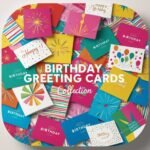
Let the Card Do More Than Say “Happy Birthday”
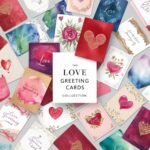
A personalized card placed at the top of the box, written specifically rather than generically, sets the tone before anything else is even unwrapped.
Include One Piece Worth Photographing
A custom portrait or striking quote poster gives the unboxing a genuine visual centerpiece — the part someone actually wants to share, rather than describe.
Sequence the Reveal, Don’t Just Fill the Box
Placing the most personal element — the card, or a short note — where it’s seen first, before the rest of the contents, mirrors exactly the “slow reveal” format that performs best in unboxing content.
You Don’t Need to Be a Business to Use This
Most of this trend data comes from brands thinking about customer experience, but the underlying principle applies just as well to gifting someone personally. A well-arranged box for a friend’s birthday or a partner’s anniversary benefits from exactly the same logic — sequencing, a clear theme, and a few small personal touches — without needing any of the production-level packaging a company might invest in. The core idea, that presentation is part of the gift, scales down to an individual gift-giver perfectly well.
The Line Between “Considered” and “Overproduced”
It’s worth naming the risk on the other side of this trend: presentation can tip into feeling like a performance for an audience rather than a gesture for the recipient, particularly if every element seems staged for a photo rather than for the person opening it. The goal isn’t maximum production value — it’s making sure the recipient, specifically, feels the care in the presentation, whether or not it ever gets photographed at all.
Why This Trend Rewards Small Businesses as Much as Big Ones
Large-scale packaging innovations like embedded NFC chips or custom die-cut boxes require real infrastructure, but the more accessible layer of this trend doesn’t. A handwritten name on tissue paper, a considered arrangement of items, a card placed exactly where it’ll be seen first — these interventions cost little beyond attention and time, yet they capture most of the emotional benefit the trend is built around. This makes the unboxing trend unusually democratic: the advantage isn’t reserved for whoever has the biggest packaging budget, but for whoever puts in the extra ten minutes of thought.
What Gets Remembered After the Reveal
It’s worth noting that a great unboxing moment is memorable specifically because it’s brief — a single, concentrated moment of anticipation and reveal that doesn’t last more than a few seconds, yet shapes how the entire gift is remembered afterward. Getting that few seconds right through thoughtful sequencing and presentation is disproportionately valuable compared to the actual time or cost involved, which is exactly why it’s become such an outsized focus in gifting more broadly.
A Note on Restraint
As with most trends built around visual appeal, there’s a natural temptation to over-decorate — piling on ribbons, inserts, and flourishes until the presentation competes with the gift itself for attention. The strongest unboxing moments tend to use restraint deliberately: one meaningful design choice, executed well, rather than several competing ones. A single well-placed card and one thoughtfully chosen centerpiece item usually outperform a box crowded with too many small decorative touches.
Ready to build a gift box worth the reveal?
Explore Personalized Gift BoxesFrequently Asked Questions
Why has gift presentation become such a significant trend?
Personalized and thoughtfully presented packaging has been shown to drive higher social sharing, repeat purchase intent, and brand recall compared to generic packaging, reflecting a broader shift toward valuing the unboxing experience itself.
What makes a gift box feel more considered?
Building the box around a clear theme, sequencing the reveal so a personal element like a card is seen first, and including one visually striking piece all contribute to a more considered unboxing experience.
Does a great unboxing experience require an expensive gift?
No, presentation and personalization can make a modest gift feel considered and valuable without requiring a large budget for the contents themselves.
Can this trend apply to personal gifting, not just business gifting?
Yes, the same principles of theming, sequencing, and personal touches work well for individual gift-givers, not only businesses shipping gifts at scale.